Understanding the Role of Ingredients in Thai Cooking
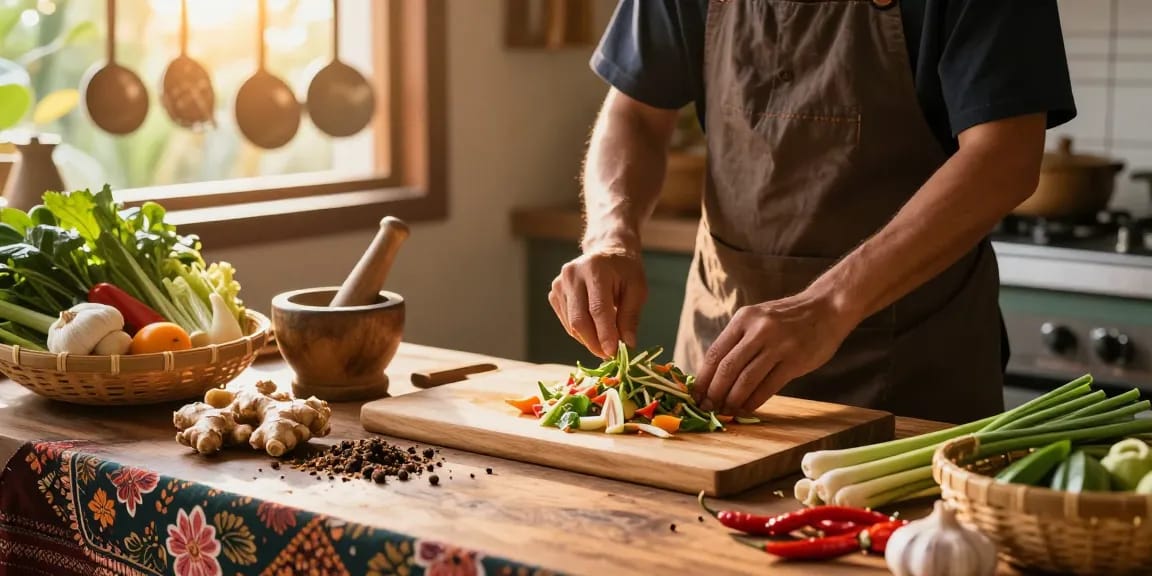
Thai cuisine is renowned for its vibrant flavors and diverse ingredients, each contributing a unique element to the dish. Ingredients like ginger and lemongrass are staples in Thai cooking, known not only for their aromatic qualities but also for their numerous health benefits. By understanding the role of these ingredients, cooks can enhance their culinary skills and create authentic dishes that reflect the rich culture of Thailand. When exploring options, สล็อต provides comprehensive insights into these essential components and their effects on health and flavor.
What are Key Ingredients like Ginger and Lemongrass?
Ginger, a key ingredient in many Thai dishes, is celebrated for its spicy flavor and medicinal properties. It is rich in antioxidants and has anti-inflammatory effects, making it an excellent addition to soups, curries, and stir-fries. Lemongrass, on the other hand, introduces a citrusy note that enhances the freshness of a dish. Both ingredients are often used in combination with each other and with other herbs and spices, creating a complex flavor profile that is characteristic of Thai food.
Importance of Freshness in Culinary Practices
Freshness is crucial in Thai cooking. Ingredients should be as fresh as possible to preserve their flavor, texture, and nutritional benefits. Using fresh herbs and spices not only enhances the taste but also elevates the aesthetic appeal of the dish. Techniques such as grinding spices on the spot and using fresh vegetables can significantly improve the quality of the meal.
Exploring Nutritional Benefits of Common Thai Ingredients
Thai cuisine incorporates a wide array of ingredients, many of which offer significant health benefits. For instance, turmeric is known for its anti-inflammatory properties, while basil can aid in digestion. Understanding the nutritional values of these common ingredients can help cooks not only create delicious meals but also promote health and well-being through their food choices.
Mastering Thai Cooking Techniques
To truly master Thai cuisine, it’s essential to understand the various cooking techniques that are often employed. These techniques not only influence the flavor but also the nutritional quality of the dishes.
Fundamental Techniques for Flavor Enhancement
Stir-frying, steaming, and brewing are some of the primary cooking methods in Thai cuisine. Each method has its own effect on flavor and texture. For instance, stir-frying allows for quick cooking while maintaining the crispness of vegetables, while steaming helps retain nutrients in proteins and greens. Additionally, balancing flavors—sweet, sour, salty, and spicy—is a fundamental technique that defines Thai cooking.
Essential Cooking Equipment and Tools
Having the right tools can significantly affect the cooking process. Essential equipment often includes a mortar and pestle for grinding spices, a wok for stir-frying, and bamboo steamers for delicate dishes. Understanding how to use these tools effectively can lead to better results and a more authentic culinary experience.
Common Mistakes to Avoid When Cooking Thai Dishes
Many novice cooks make the mistake of overcooking vegetables, which can lead to a loss of flavor and nutrients. Another common issue is not balancing flavors properly, which can result in dishes that taste flat or uninteresting. By avoiding these mistakes and practicing proper techniques, cooks can elevate their Thai cooking skills.
Health Benefits of Thai Food
Thai food is not just delicious; it is also packed with health benefits. The diversity of ingredients used in Thai cooking provides a balanced array of nutrients that contribute to overall wellness.
Understanding Nutritional Values of Proteins and Carbohydrates
Proteins from sources such as tofu, chicken, and seafood play a vital role in Thai cuisine. They serve as the foundation of many dishes, offering essential amino acids necessary for muscle repair and growth. Carbohydrates, primarily from rice and noodles, provide the energy needed for daily activities. Understanding the balance of these macronutrients is key to creating a healthy meal.
How Herbs and Spices Promote Well-being
The herbs and spices used in Thai cooking are more than just flavor enhancers; they are also powerful allies in promoting health. For example, galangal and chili are known for their ability to boost metabolism, while cilantro can assist with detoxification. Incorporating these elements into meals not only enhances flavor but also supports health.
Impact of Thai Cuisine on Digestive Health
Many ingredients found in Thai cooking, such as ginger and garlic, are known to aid digestion. Additionally, the use of fermented ingredients like fish sauce and shrimp paste can introduce beneficial probiotics into the diet, promoting gut health. This focus on digestion aligns with the overall health benefits of a balanced and flavorful Thai diet.
Exploring Popular Thai Dishes
Thai food is a treasure trove of dishes, each offering a unique taste experience influenced by regional ingredients and cooking methods. Exploring these dishes provides insight into the depth of Thai culinary traditions.
Signature Dishes and Their Ingredients
Some of the most beloved Thai dishes include Tom Yum Goong (spicy shrimp soup), Pad Thai (stir-fried noodles), and Som Tum (green papaya salad). Each of these recipes highlights different ingredients and cooking techniques that are essential to understanding Thai gastronomy.
How to Pair Thai Dishes with Drinks
Pairing drinks with Thai food can enhance the overall dining experience. Light beers and fruit-infused cocktails often complement the spice and acidity of Thai dishes. Traditional beverages such as Thai iced tea or coconut water can also balance the flavors beautifully.
Regional Variations and Their Unique Flavors
Thailand’s regional cuisines reflect the varied climate and agricultural practices across the country. Northern Thai food tends to be less spicy and focuses on herbs, while Southern Thai dishes are known for their intense heat and coconut milk. Exploring these regional variations can provide a deeper appreciation for the complexity of Thai culinary traditions.
Future Trends in the Culinary World
As global food culture evolves, so too does Thai cuisine. Understanding upcoming trends can help both home cooks and professionals stay ahead in the culinary game.
Sustainable Cooking Practices in Thai Cuisine
The push for sustainability is shaping how Thai food is prepared and served. Emphasizing local and seasonal ingredients supports sustainable agriculture and reduces the carbon footprint of food production. Many chefs are now focusing on minimizing waste and utilizing all parts of the ingredients.
The Rise of Plant-Based Thai Dishes
The trend towards plant-based diets is influencing Thai cooking, with many traditional recipes being adapted to use plant-based proteins and ingredients. This shift not only reflects changing dietary preferences but also aligns with health-conscious eating habits.
How Technology is Changing Traditional Thai Cooking
Advancements in technology are reshaping how chefs approach traditional Thai cooking. From utilizing precise temperature controls in sous-vide cooking to employing food processors for quicker prep times, the integration of modern techniques is enhancing the overall culinary process while respecting traditional flavors.
What are the Essential Ingredients for Authentic Thai Dishes?
Essential ingredients for authentic Thai dishes often include staples like fish sauce, Thai basil, coconut milk, and chilies. Mastering these ingredients lays the foundation for creating genuine Thai flavors at home.
How Can I Learn More About Thai Cooking Techniques?
Participating in cooking classes, watching online tutorials, and reading cookbooks dedicated to Thai cuisine can provide valuable insights and techniques that enhance your cooking skills.
What Health Benefits Come from Eating Thai Food?
Eating Thai food offers numerous health benefits due to its emphasis on fresh vegetables, herbs, and lean proteins. The balanced approach to flavor and nutrition promotes a healthier lifestyle.
Which Popular Thai Dishes Should I Try as a Beginner?
Beginner cooks should start with simple dishes like Pad Thai or Green Curry, as they are straightforward to prepare and introduce fundamental flavors and techniques in Thai cooking.